
Equipment Finance in Australia: A Plain-English Guide for SMEs (Loans vs Leases, Tax, Docs + Approvals)
If you run an Australian SME, equipment is one of the fastest ways to grow - until you’re asked to pay for it all upfront.
Equipment finance is funding used to purchase business assets (vehicles, machinery, tools, medical equipment, fit-out items, tech) while spreading repayments over time. The goal is simple: get the asset working for your business now, without draining cash flow.
This guide explains the main equipment finance options in Australia, what lenders look for, what documents you’ll need, how GST and tax often work, and how to choose the right structure.
What counts as “equipment” for equipment finance?
In lender terms, “equipment” generally means movable business assets that can be identified and valued, including:
Vehicles: cars, utes, vans, trucks, trailers
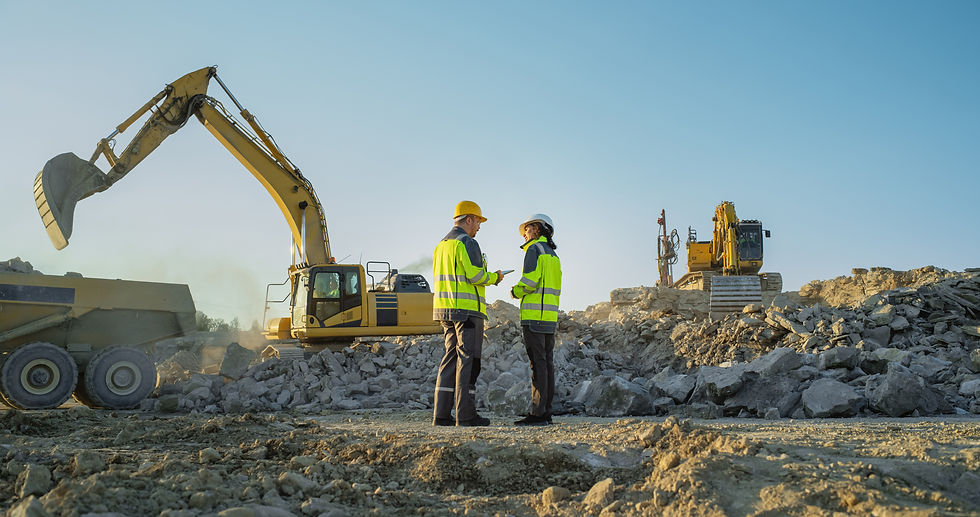
Plant & machinery: excavators, forklifts, compressors, CNC, printing machines
Medical & dental equipment
Hospitality equipment: ovens, fridges, POS systems
IT & technology: servers, laptops, hardware bundles
Some fit-out components (case-by-case): lighting, HVAC, flooring systems, signage, security/access systems
If it’s a grey area (like fit-out), the key question is: can the asset be clearly itemised, valued, and (in theory) removed?

The 4 main equipment finance options in Australia (and when each fits)
1) Chattel Mortgage
Best for: businesses that want to own the equipment from day one. You buy the asset, the lender takes security over it.
Typical use cases: vehicles, machinery, business-critical equipment.
Why people choose it: straightforward ownership; commonly used by GST-registered businesses.
2) Finance Lease
Best for: businesses that want lower upfront cost and flexibility at end of term. You lease the asset; at the end you may be able to pay a residual to own it (or refinance).
Typical use cases: fleets, equipment that’s upgraded periodically.
Why people choose it: cash flow flexibility; predictable repayments.
3) Operating Lease (Rental-style)
Best for: businesses that value off-balance-sheet style simplicity (depending on accounting treatment) and easy upgrades.Often includes service/maintenance bundles in some markets.
Typical use cases: fleets, tech refresh cycles, managed asset programs.
Why people choose it: keeps equipment current; may reduce disposal hassle.
4) Hire Purchase (less common now, but still seen)
Best for: specific scenarios where ownership is desired but structure is preferred by the lender/vendor.
Note: In Australia, many SMEs now use chattel mortgage or leases instead of classic hire purchase.
Equipment loan vs lease: how to choose (quick decision framework)
Choose based on these 5 questions:
Do you want ownership now?
Yes → chattel mortgage is commonly the starting point
No / maybe later → lease structures often fit
How fast does the asset become obsolete?
Fast (IT, some medical tech) → leasing can reduce upgrade pain
Slow (trucks, plant) → ownership structures often make sense
How sensitive is your cash flow?
If ramp-up matters, structure repayments and any balloon/residual carefully
Do you want to preserve bank lines?
Equipment finance can ring-fence funding so you don’t choke property or working capital capacity
What’s the exit plan?
Keep long-term? upgrade every 3–5 years? sell? refinance? Your exit plan should match the term and residual/balloon.
Key pricing terms explained
Balloon payment (or residual): a lump sum left at the end to reduce monthly repayments.
Term: length of the finance (often aligned to asset life and policy limits).
LVR (loan-to-value ratio): how much of the asset cost the lender will fund.
Asset age policy: lender rules on how old the equipment can be now and at end of term.
Documentation tiers: full-doc vs simplified doc requirements depending on deal quality.
What lenders typically look for (approval drivers)
Even when the equipment itself is the primary security, lenders assess:
ABN history (time trading matters)
Industry + use case (standard vs specialised equipment)
Business financial health (bank conduct, cash flow stability)
Credit profile (business + directors)
Asset details (invoice, supplier, model, serial/VIN, condition, valuation if needed)
Deposit contribution (sometimes optional; sometimes improves terms)
A clean submission is often the difference between a quick approval and a slow one.

Documents checklist: what to prepare before you apply
To keep approvals fast, prepare:
Asset + supplier
Supplier quote/tax invoice (itemised)
Asset details (make/model/year, VIN/serial)
Delivery date / installation timeline
Business identity
ABN and entity structure (company/trust/sole trader)
Director/owner IDs
Financials (varies by lender and deal)
Recent bank statements (often 3–6 months)
BAS (often last 2–4 quarters)
Latest financials and/or accountant-prepared P&L (if available)
Existing debt schedule (if material)
If buying used equipment
Evidence of condition (photos, service history)
Seller details + proof of ownership/encumbrance checks (where relevant)
GST and tax: the practical SME view (general guidance)
Two big realities drive equipment finance decisions:
GST impact on cash flowIf you’re GST-registered, the GST component may be claimable—timing matters. Structuring can be used to avoid a cash squeeze at purchase.
Tax alignmentDifferent structures can have different accounting/tax treatments depending on circumstances. The most important operational point is to choose a structure that matches how the asset generates income (and how you plan to hold it).
Note: Always confirm tax treatment with your accountant for your specific circumstances.
Common mistakes (that cost SMEs money)
Choosing the wrong term (too long for a fast-depreciating asset, or too short for cash flow)
Ignoring asset age policy on used equipment (approval risk late in the process)
Under-quoting total project cost (forgetting installation, delivery, accessories)
Not matching repayments to revenue timing (seasonality or contract cycles)
Submitting without a lender-ready pack (creates delays and weaker negotiating leverage)
A simple example: structuring without choking cash flow
Scenario: You need a $120k equipment package to fulfil new contracts. A structure with a sensible term plus a carefully-sized balloon/residual can reduce monthly pressure so the asset “pays for itself” from contract revenue—while preserving working capital for wages, fuel, inventory, or marketing.
The right answer depends on: asset type, age, usage, business financials, and how quickly revenue lands.

Frequently Asked Questions
Can I finance used equipment in Australia?
Often yes, but lender policies vary on age, condition, and seller type. You’ll typically need clearer asset evidence (details, photos, service history) and the term may be capped.
How fast can equipment finance be approved?
It depends on deal complexity and documents. Straightforward deals with clean paperwork can move quickly; specialised assets or weaker financials may need deeper review.
Do I need a deposit?
Not always. A deposit can improve approval strength and pricing, but many scenarios can be structured with low upfront contribution depending on profile and asset.
What’s better: chattel mortgage or lease?
If you want ownership from day one, chattel mortgage is often a fit. If you want flexibility and an upgrade path, leasing can make sense. The best option is the one that matches your asset life, cash flow, and exit plan.
Can fit-outs be financed with equipment finance?
Sometimes, especially where items are clearly itemised and valued (e.g., HVAC, lighting systems, security/access systems). Pure building works may need different funding.
Next step: speak with CapStack Asset Finance
If you’re buying equipment (new or used) and want the structure that protects cash flow and improves approval odds, CapStack Asset Finance can help you choose the right option and package the submission properly.


Comments